My First Mother's Day Baby Design: A Maker’s Review
As a professional embroidery designer and product reviewer, I approach every new graphic with a critical eye toward stitchability and marketability. When evaluating My First Mother s Day Baby Design, my primary focus is not just the aesthetic appeal of the typography or the cuteness factor, but how this artwork translates from a digital screen to a tangible, stitched reality. For Etsy sellers, apparel decorators, and small business owners, a design is only as good as its performance on fabric. This review breaks down the practical application of this asset for real-world T-Shirt Designs and personalized gifts, ensuring your production run is smooth and your finished products are professional.
Visual Personality and Emotional Resonance
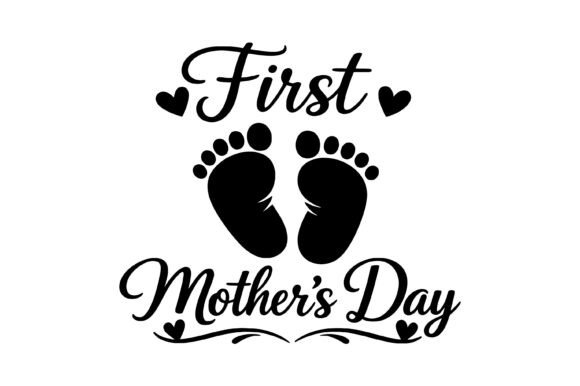
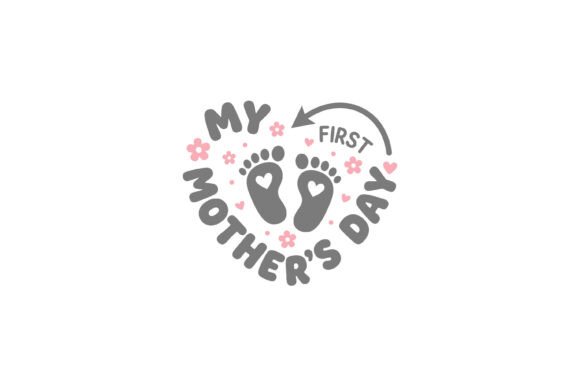
The first impression of My First Mother s Day Baby Design is one of tender nostalgia mixed with modern clarity. The layout balances "Newborn," "Cute," and "Family Love" themes without becoming cluttered. From a designer’s perspective, the typography appears legible and intentional, which is crucial for baby embroidery. In the Graphics category, many designs suffer from overly ornate fonts that turn into thread nests when scaled down. However, this design seems structured to maintain integrity across various sizes. The mood is celebratory yet soft, making it an ideal candidate for sentimental keepsakes rather than loud, novelty merchandise. It feels like a design meant to be cherished, which directly influences the perceived value of the handmade product you create.
Real-World Application: The Custom Sweatshirt Test
To truly evaluate this asset, I mentally placed it in a specific production scenario: creating a custom crewneck sweatshirt for a new mom’s gift set. This is a high-demand item for Etsy sellers and boutique owners during the spring season. When applying My First Mother s Day Baby Design to fleece or French terry, the interaction between the design and the fabric texture becomes paramount.
In this scenario, the design serves as a centerpiece for sweatshirt embroidery. Because sweatshirts have a pile, the design requires adequate underlay to prevent stitches from sinking. If this file includes proper satin stitch columns for the lettering, it will pop beautifully against the fabric. However, if the design relies solely on thin running stitch lines for text, I would advise caution. For a project like this, I recommend testing the embroidery file on a scrap piece of similar weight fleece first. The goal is to ensure the "First Mom" sentiment remains crisp and readable after washing. A successful test here means you can confidently list this as a premium personalized gift in your shop, knowing the quality matches the emotional price point.
Navigating Fabric Limitations and Hoop Constraints
While versatile, My First Mother s Day Baby Design requires strategic placement depending on the substrate. Not all fabrics are created equal, and understanding where this design thrives versus where it struggles is key to avoiding customer returns.
- Stretchy Knits and Onesies: Baby clothes are often made of ribbed cotton or jersey. These are unstable surfaces. If you are using this for baby embroidery, you must use a high-quality cut-away stabilizer and potentially a topping to keep the stitches defined. Without this, the cute typography could distort, ruining the finished product.
- Textured Towels and Blankets: For nursery decor or tea towels, the pile can swallow fine details. Ensure the design has sufficient stitch density to cover the texture. If the design is too light, consider adding a background fill or border to frame it.
- Small Hoop Sizes: Many makers use 4x4 hoops for baby items. Before purchasing, verify the dimensions. If My First Mother s Day Baby Design exceeds your maximum stitch area, you may need to resize it. Be aware that resizing affects stitch density; shrinking it too much can cause thread breaks, while enlarging it can leave gaps.
- Dark Fabrics: Contrast is everything. On black or navy garments, ensure the thread colors selected provide enough visibility. Pastel threads on dark fabric often look muddy unless outlined or backed with white underlay.
Commercial Viability for Creative Entrepreneurs
For those running a craft business or selling digital assets, the commercial utility of this design is significant. The inclusion of multiple formats—SVG, PDF, JPEG, PNG Transparent, EPS, and Editable files—suggests versatility beyond just machine embroidery. As an Etsy seller, you can leverage the PNG and JPEG files to create high-quality printable mockups. Showing customers exactly what the design looks like on a tote bag or apron before they buy increases conversion rates and builds trust.
Furthermore, the editable nature of the EPS or SVG files allows for customization. If a client wants to change "First Mom" to "Mama" or add a specific year, having vector access is invaluable. This flexibility transforms a single purchase into multiple revenue streams. Whether you are producing commercial embroidery for a local hospital gift shop or selling digital downloads to other hobbyists, verifying the licensing terms included with the file is non-negotiable. Always confirm whether you have rights for physical end-products versus digital redistribution to protect your business integrity.
Essential Pre-Stitch Checklist for Makers
Before loading My First Mother s Day Baby Design into your machine for a paid order, run through this practical checklist. Professional results come from preparation, not luck.
- Verify File Compatibility: Although listed as an editable file, ensure the specific embroidery format (like DST, PES, or JEF) is compatible with your machine. You may need to convert the provided formats using digitizing software.
- Check Stitch Count and Density: Open the file in your software to view the estimated stitch count. High counts on lightweight baby fabric can cause puckering. Adjust density if necessary.
- Test Thread Contrast: Run a simulation in black and white. If the design loses definition without color, it may rely too heavily on hue rather than structure. Adjust accordingly for monochrome projects.
- Stabilizer Selection: Match your stabilizer to the fabric, not the design. Woven fabrics need tear-away; knits need cut-away. This is the most common failure point in custom apparel.
- Mockup Validation: Use the transparent PNG to create a realistic preview for your listing. Ensure the scale looks proportional to the garment in the digital embroidery file preview.
- Wash Test: If selling baby items, wash and dry your test sample. Embroidery that survives the laundry cycle earns repeat customers.
Final Thoughts on Production Value
My First Mother s Day Baby Design holds strong potential for makers focusing on the maternal and newborn niche. Its success lies in treating it as a technical blueprint rather than just a pretty picture. By respecting the interplay between stitch density, fabric choice, and hoop size, you elevate this graphic from a simple download to a premium embroidered patch or garment feature. For the small shop product lineup, it offers the emotional connection buyers seek during the holiday season. Remember, in the world of machine embroidery design, your reputation is stitched into every item. Take the time to test, adjust, and validate this design, and it will serve as a reliable asset for your creative enterprise.