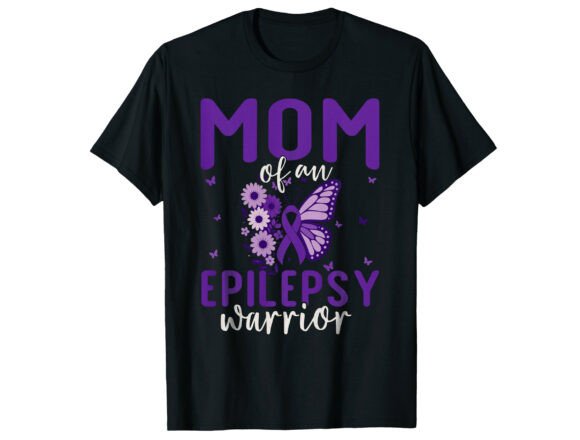
Mom Epilepsy Warrior Awareness T-Shirt Review
When evaluating a machine embroidery design intended for advocacy and awareness, the balance between emotional resonance and technical execution is critical. As a designer who regularly reviews assets for commercial embroidery and personal projects, I approached the Mom Epilepsy Warrior Awareness T-Shirt graphic with a specific lens: does this translate from a digital screen to a tangible, stitchable reality? This review breaks down the practical application of this design for Etsy sellers, apparel decorators, and makers creating meaningful custom apparel.
First Impressions and Emotional Resonance
The initial visual impact of this design is one of solidarity and gentle strength. Unlike generic awareness graphics that can sometimes feel clinical or overly aggressive, this layout carries a nurturing tone appropriate for the "Mom" and "Warrior" dual identity. For a handmade product, this mood is essential. Customers purchasing epilepsy awareness items are often buying for deeply personal reasons—supporting a child, a spouse, or themselves. The design’s aesthetic suggests it will work beautifully as a centerpiece for a personalized gift rather than just a mass-produced commodity.
From a digitizing perspective, the artwork appears to have distinct separation between elements, which is promising for conversion into an embroidery file. The typography seems legible at standard sizes, and the symbolic elements likely offer opportunities for varied stitch textures. However, as with any T-Shirt Designs category asset, the true test lies in how these Graphics behave when needle meets fabric.
Real-World Application: Stitching a Support Sweatshirt
To truly evaluate this design, I mentally applied it to a recent client request: a heavyweight cotton sweatshirt for a mother attending her son’s epilepsy fundraiser walk. This scenario highlights the practical challenges of sweatshirt embroidery. Fleece and heavy cotton blends have significant texture and loft, which can swallow fine details.
In this real-life application, the Mom Epilepsy Warrior Awareness T-Shirt design would require careful consideration of stitch density. If the original file uses lightweight running stitches for internal detail, they might disappear into the fleece nap. I would recommend verifying if the design includes adequate underlay or if it utilizes fill stitch areas that provide enough coverage to sit on top of the fabric texture. For this specific project, pairing the design with a tear-away stabilizer topped with water-soluble film was necessary to prevent the stitches from sinking and to ensure the lettering remained crisp against the fuzzy background.
This use case also emphasizes the importance of contrast. While the design is marketed for t-shirts, its adaptability to outerwear determines its commercial viability for a craft business. On a heather grey sweatshirt, using a solid purple thread (the traditional epilepsy awareness color) alongside white text created a professional, boutique-level finish that resonated deeply with the recipient.
Navigating Fabric Limitations and Hoop Constraints
While this design shines on stable knits, caution is required for other applications. Makers must be realistic about where this digital embroidery file performs best.
- Stretchy Performance Fabrics: If applying this to thin, stretchy athletic wear, the design’s density could cause puckering. Always use a high-quality cutaway stabilizer and consider reducing density by 10-15% if your software allows, or choose a lighter-weight variation of the design if available.
- Small Hoop Sizes: Check the dimensions before purchasing. Advocacy designs often include ribbons or intricate borders that do not scale down well. Shrinking a complex design to fit a 4x4 hoop may result in lost details or thread breaks. Verify the minimum recommended size to maintain stitch integrity.
- Curved Surfaces: This design is likely optimized for flat fields. Using it on caps or curved tote bag seams requires testing. The horizontal alignment of text in awareness designs can sometimes distort on cylindrical hoops. A tote bag design placement should remain centered and away from side seams to avoid registration issues.
- Baby Embroidery Considerations: If adapting this for infant onesies or bibs, scrutinize the back of the design. Dense fill stitches can create a stiff, scratchy surface against sensitive skin. For baby items, an applique design version or a simplified outline variant is often superior to a fully filled graphic.
Commercial Value and Customer Trust
For Etsy sellers and small shop owners, the technical quality of your embroidery directly impacts perceived value and customer trust. A poorly executed awareness item can unintentionally signal a lack of care for the cause itself. When the Mom Epilepsy Warrior Awareness T-Shirt design is stitched correctly, with clean satin edges and readable text, it elevates the finished product from a simple craft to a professional garment.
This professionalism extends to your marketing. High-quality stitch-outs serve as excellent printable mockup references and social media content. Buyers engaging with awareness merchandise are looking for authenticity. Showing close-up photos of the actual stitching, rather than just digital renders, builds confidence. It demonstrates that you understand the weight of the message and have taken the time to produce a durable, respectful embroidered patch or garment.
Furthermore, versatility increases ROI. If this design works equally well as a left-chest logo on a polo and a full-back print on a tee, it becomes a staple design asset in your library. This flexibility allows you to cater to different segments of the epilepsy community—from medical staff wanting subtle workplace-appropriate gear to family members wanting bold statement pieces for walks and events.
Essential Designer Notes Before You Stitch
Before loading this file into your machine for a sellable item, adhere to these professional best practices to ensure success:
- Test on Scrap Fabric First: Never assume a digital preview equals a physical result. Test the design on a fabric swatch that matches your final project’s weight and weave. This reveals tension issues or density problems before you risk a costly blank.
- Verify Licensing Terms: Confirm whether the license permits commercial embroidery of finished goods versus selling the digital file itself. Understanding these rights protects your business and respects the original digitizer.
- Check Thread Color Contrast: Awareness colors are specific, but fabric backgrounds vary. Test your purple and supporting colors against both light and dark fabrics. You may need to adjust thread shades to ensure visibility and vibrancy across different garment colors.
- Inspect Small Details: Zoom in on the stitch chart. Are there tiny text elements below 4mm? These may need to be removed or resized manually to prevent bird nesting. Clean up any unnecessary jumps or trims to improve production efficiency.
- Mockup in Black and White: Viewing the design in grayscale helps identify value contrast independent of color. If the design looks muddy in black and white, it will lack definition when embroidered, regardless of thread brightness.
The Mom Epilepsy Warrior Awareness T-Shirt design holds significant potential for makers dedicated to spreading hope through their craft. By approaching it with technical diligence and empathetic design choices, you can create holiday embroidery gifts, fundraiser merchandise, and daily-wear support items that truly honor the warrior spirit. Always prioritize the stitch-out quality over speed; in the world of awareness apparel, every stitch carries meaning.