Mom Daughter Love Line Art: An Embroidery Review
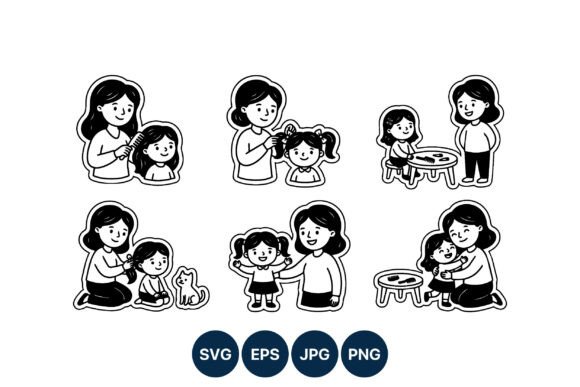
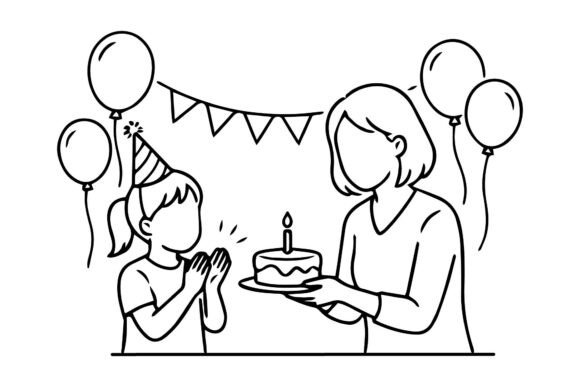
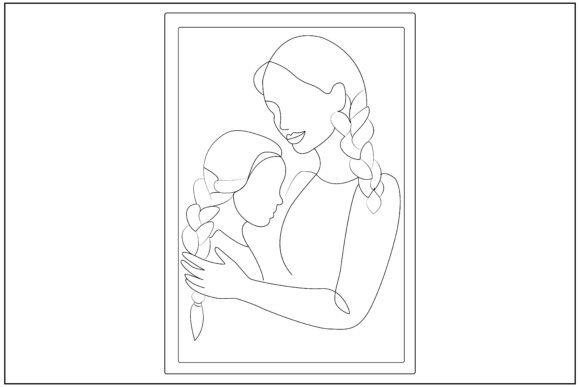
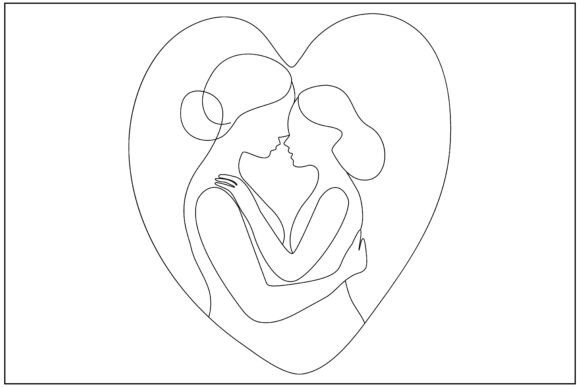
As a professional embroidery designer and product reviewer, I approach every new digital asset with a critical eye. When evaluating Mom Daughter Love Line Art, my first thought isn't just about the aesthetic appeal on a screen; it is about how those vector lines will translate into physical thread on fabric. Line art occupies a unique space in our industry because it relies entirely on precision rather than coverage. This design captures a tender, minimalist mood that feels modern yet timeless, making it a strong candidate for various applications ranging from nursery decor to custom apparel. However, the simplicity of line art is often deceptive. What looks effortless as a graphic requires deliberate technical planning to ensure the final embroidery project maintains its integrity after washing and wear.
Evaluating Stitch Translation and Visual Mood
The immediate strength of this machine embroidery design lies in its emotional resonance without visual clutter. For an Etsy seller or boutique owner, this minimalism is a selling point. Customers currently favor clean, boho-inspired aesthetics over dense, heavy designs. When I look at this artwork, I see a natural candidate for running stitch or redwork styles. Unlike complex fill stitch patterns that can distort lightweight fabrics, line art respects the drape of the material. This makes it exceptionally suitable for baby embroidery on delicate onesies or soft knit blankets where comfort is paramount.
However, translating illustrations into stitches requires verifying the digitizing quality. Before committing this digital embroidery file to a production run, you must assess the pathing. Does the needle travel efficiently, or are there excessive jumps that will require tedious trimming? In line art, every stop and start is visible. If the design uses a single continuous line technique, it reduces thread breaks and creates a smoother finish. If it utilizes multiple overlapping segments, you risk a bulky appearance that contradicts the delicate nature of the theme. Always review the stitch sequence in your software before hooping up your primary garment.
Real-World Application: The Custom Tote Bag Test
To truly understand the commercial viability of Mom Daughter Love Line Art, I mentally place it in a real-life scenario: creating a premium canvas tote bag for a Mother’s Day collection. Tote bags are a staple handmade product, but they present specific challenges. Canvas has a distinct weave that can swallow thin lines. For this application, I would evaluate whether the design’s line weight is sufficient to stand out against the textured background.
In this test case, I would avoid standard 40-weight thread if the canvas is heavy. Instead, opting for a thicker 30-weight thread or doubling up with a satin stitch outline could provide the necessary definition. As a tote bag design, the placement matters immensely. Center-chest or lower-third placements work best for line art to prevent distortion when the bag is filled with items. From a business perspective, this design offers high perceived value because it feels bespoke rather than generic. A customer buying a personalized gift connects with the sentiment, and the clean execution signals professional craftsmanship. If the stitching sinks into the canvas or looks sketchy, that trust evaporates. Therefore, testing on scrap canvas with appropriate stabilizer is non-negotiable.
Navigating Fabric Challenges and Technical Limits
While versatile, this design demands respect for fabric physics. Line art is unforgiving on unstable materials. If you are attempting sweatshirt embroidery, be aware that fleece and French terry have pile that can obscure fine details. You may need to use a water-soluble topping to keep the stitches crisp and visible. Without this step, the Mom Daughter Love Line Art might look lost or messy after the first wash.
Stretchy fabrics like jersey knits require careful stabilization to prevent puckering. Since line art doesn't have large fill areas to anchor the fabric, the tension relies heavily on your hoop and stabilizer choice. I recommend a cut-away stabilizer for any stretch garment to maintain registration. Additionally, consider the hoop size. While the design might fit in a small 4x4 hoop, larger hoops often provide better tension stability for linear designs. Avoid placing this design across seams or thick collar areas unless you have tested it extensively; the uneven surface will cause registration errors that ruin the continuous flow of the art.
Dark fabrics also present a contrast challenge. White or cream line art on navy or black garments pops beautifully, but only if the density is adequate. A single pass of white thread on dark fabric often looks translucent. You may need to adjust the stitch density or add an underlay specifically designed for contrast, even in line art, to ensure the color reads true.
Commercial Viability for Makers and Sellers
For the craft business owner, versatility equals profitability. This design category falls under Illustrations and Graphics, meaning it likely serves dual purposes. Beyond physical products, consider how this art functions in printable mockups for your online listings. High-quality digital previews help customers visualize the finished item, increasing conversion rates. The clean lines of this design make it easy to edit in listing photos, allowing you to showcase color variations without re-stitching every option.
When selling custom apparel or holiday embroidery items, consistency builds brand recognition. Using a cohesive style like this line art across different products—matching mugs, pillows, and shirts—creates a curated shop aesthetic. However, always verify the licensing included in the ZIP file. Confirm whether you have rights for commercial use on finished goods versus selling the embroidery file itself. Protecting your business means respecting intellectual property while maximizing the assets you legally own.
Essential Pre-Stitch Checklist for Success
Before launching this design into your production queue, adhere to these practical designer notes to ensure professional results:
- Test on Scrap Fabric First: Never stitch directly on a sellable item without a test run. Use the exact fabric and stabilizer combination intended for the final product to check for puckering or registration issues.
- Verify Thread Color Contrast: View your thread choices in natural light. What looks good on a monitor may lack definition in person, especially for subtle pastel tones often used in mom-daughter themes.
- Inspect Small Details: Zoom in on the digital file to ensure tiny elements like fingers or facial features are not too small to stitch cleanly. If they are, simplify them manually in your software.
- Check Stabilizer Compatibility: Match your stabilizer to the fabric weight. Tear-away is rarely sufficient for line art on apparel; opt for cut-away or fusible mesh for lasting stability.
- Review License Terms: Open the documentation in the ZIP file immediately. Note any restrictions on quantity, modification, or attribution required for your small shop product.
- Mockup Validation: Create black and white mockups alongside color versions. This helps you judge the design's structural balance independent of color appeal.
Ultimately, Mom Daughter Love Line Art represents a valuable asset for makers who prioritize elegance and emotion in their work. Its success depends less on the complexity of the digitizing and more on the intentionality of the application. By treating this graphic with the same technical rigor as a dense jacket back patch, you elevate it from a simple digital download to a cherished finished product. Whether you are creating a keepsake for a client or stocking your Etsy shelves for the holiday rush, let practical judgment guide your needle. The result will be merchandise that not only sells but endures, carrying the message of connection through every carefully placed stitch.