Best Mom Ever 1: An Embroidery Design Review
As a professional embroidery designer and product reviewer, I approach every new machine embroidery design with a critical eye. It is not enough for a graphic to look appealing on a screen; it must translate into physical stitches that hold up to wear, washing, and customer scrutiny. When evaluating Best Mom Ever 1 from the T-Shirt Designs category, my primary focus is on its viability as a commercial asset for Etsy sellers, craft business owners, and apparel decorators. This review breaks down how this specific graphics file performs when moved from a digital preview to a tangible, stitched reality.
First Impressions and Visual Hierarchy
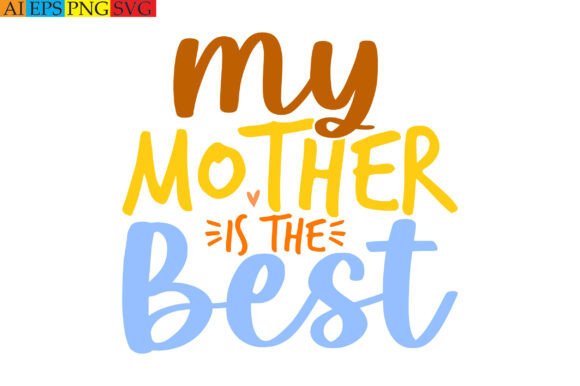
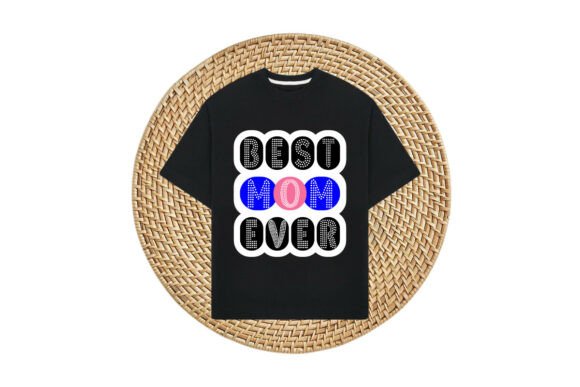
Upon opening the embroidery file, the immediate impression of Best Mom Ever 1 is one of classic sentimentality balanced with modern readability. The layout suggests a design intended to be a focal point rather than a subtle accent. For a personalized gift or boutique product, the visual hierarchy is crucial. The text "Best Mom Ever" carries significant emotional weight, and the accompanying graphical elements appear structured to support that message without overwhelming it. From a designer’s perspective, the spacing between elements looks intentional, which is a positive indicator for stitch-out clarity. Crowded designs often lead to registration issues or fabric puckering, but the initial assessment of this artwork suggests a thoughtful balance suitable for various custom apparel projects.
Real-World Application: Stitching a Sweatshirt
To truly evaluate this design, I mentally placed it in a real-life production scenario: creating a premium crewneck sweatshirt for a Mother’s Day collection. Sweatshirts are a staple for any Etsy seller or small shop product line because they offer high perceived value. However, fleece and French terry fabrics present unique challenges due to their pile and stretch.
In this scenario, Best Mom Ever 1 would likely serve as a center-chest or full-back placement. If the design utilizes satin stitch borders or lettering, the width of those columns becomes the deciding factor for quality. On a textured sweatshirt fabric, satin stitches can sometimes sink into the pile, losing definition. Based on the visual structure, I would recommend using a water-soluble topping stabilizer to keep the stitches sitting on top of the fabric texture. If the design includes large areas of fill stitch, checking the stitch direction is vital. Diagonal or curved fill patterns tend to drape better on garments than rigid horizontal fills, preventing the "bulletproof vest" effect that makes handmade products feel stiff and unprofessional.
Fabric Compatibility and Stabilizer Strategy
The versatility of an applique design or standard embroidery graphic depends heavily on fabric choice. While Best Mom Ever 1 is marketed within T-Shirt Designs, its application extends far beyond cotton jerseys. Here is how I assess its adaptability:
- Cotton T-Shirts: The most common use case. Ensure you use a cut-away stabilizer to prevent tunneling around the design area after washing.
- Tote Bag Design: Canvas provides a stable foundation. This design would work exceptionally well here, potentially allowing for higher stitch density without distortion.
- Baby Embroidery: If resizing for onesies or bibs, caution is required. Reducing a design too much can cause tiny lettering to become illegible or thread breaks to increase.
- Kitchen Towels: Linen or flour sack towels are popular for holiday embroidery. The design’s theme fits perfectly, but ensure the hoop size accommodates the entire motif without requiring re-hooping, which risks alignment errors.
Technical Considerations for Commercial Use
For creative entrepreneurs selling finished goods, consistency is key to building brand trust. Before listing items featuring Best Mom Ever 1, several technical checks are mandatory. First, verify the hoop size requirements against your machine’s capabilities. A design that maxes out your hoop leaves no room for proper stabilization clamping, leading to shifting. Second, examine the stitch density. Overly dense designs on lightweight fabrics cause tearing, while sparse designs on dark fabrics allow the material to show through, making the colors look muddy.
I always advise testing thread colors against both light and dark backgrounds. A color palette that pops on white might disappear on navy blue. Creating a printable mockup or stitching a sample on scrap fabric helps visualize contrast before committing to a final product. Additionally, if you plan to use this for commercial embroidery, confirm the licensing terms included with the digital files. Understanding whether you can sell unlimited finished items or if there are caps on production is essential for protecting your business legally.
Navigating Potential Pitfalls
No design is without limitations. When working with Best Mom Ever 1, be mindful of where it should be used carefully. Stretchy performance fabrics or thin rayon blends may struggle to support complex graphics without significant backing. Detailed corners or intricate serif fonts can suffer on curved surfaces like caps; if the design has fine details, it may be better suited for flat embroidered patch applications or pillow covers rather than headwear. Furthermore, consider the end-user's care habits. Items meant for frequent hot washing, like baby clothes or dish towels, require robust construction. Running stitches used for outlining should be checked for adequate underlay to prevent them from wavering or breaking over time.
Enhancing Product Value and Customer Engagement
Ultimately, the success of a handmade product lies in its presentation. Best Mom Ever 1 offers strong potential for giftability because of its universal appeal. However, to elevate it from a generic graphic to a premium offering, focus on execution. Professionalism comes from clean trims, proper stabilization, and color harmony. When customers see crisp edges and vibrant threads, they associate that quality with your brand.
For digital product sellers offering this as part of a bundle or standalone file, providing clear usage notes adds immense value. Inform buyers about recommended stabilizers, ideal fabric types, and resizing limits. This reduces customer support inquiries and increases positive reviews. Whether you are making a personalized gift for a friend or stocking a boutique, treating Best Mom Ever 1 with technical respect ensures the final result honors the sentiment behind the words.
Final Designer Notes for Makers
Before you begin your next project with this design, run through this practical checklist:
- Test Stitch: Always run a test on similar fabric weight and texture to check tension and registration.
- Contrast Check: View the design in black and white to ensure tonal values provide enough separation between elements.
- Stabilizer Match: Select stabilizer based on fabric stretch and design density, not just habit.
- License Verification: Double-check permissions for selling physical items versus digital assets.
- Mockup Validation: Use realistic mockups that reflect the actual stitch texture, not just flat vector overlays.
Best Mom Ever 1 represents a solid opportunity for makers to create meaningful, marketable goods. By applying professional judgment and adhering to best practices in machine embroidery, you can transform this digital file into a cherished keepsake or a best-selling inventory item. Remember that the quality of your craftsmanship defines the customer's experience just as much as the design itself.