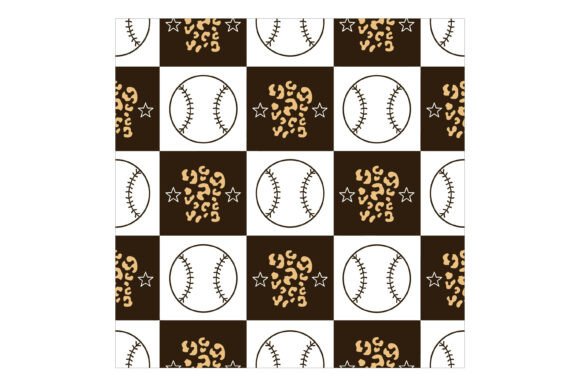
Baseball Seamless Pattern: A Designer’s Review
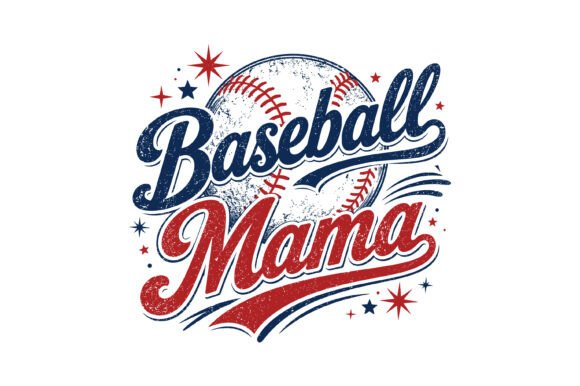
As a professional embroidery designer and product reviewer, I approach every new asset with a critical eye toward production reality. When evaluating the Baseball Seamless Pattern, my first thought isn't just about how it looks on a screen, but how it translates to needle and thread. This design, featuring classic baseball motifs like red stitches, balls, and "Baseball Mom" typography, carries a distinct nostalgic and energetic mood. It immediately suggests team spirit and game day enthusiasm, making it a strong contender for seasonal collections. However, moving from a digital surface pattern to a tangible embroidery project requires careful consideration of scale, density, and application.
Translating Digital Graphics to Stitched Reality
The Baseball Seamless Pattern is provided in SVG, PDF, and JPG formats. For sublimation or digital paper, these are ready-to-use assets. For us in the embroidery space, these vector and raster files serve as essential blueprints rather than direct machine embroidery design files. As an experienced digitizer, I see this as a versatile foundation. The clean lines of the baseballs and the bold typography suggest that this artwork will digitize beautifully into both satin stitch borders and fill stitch backgrounds. The visual personality is playful yet structured, which is crucial for maintaining clarity when converting complex graphics into thread paths.
When I look at the layout, I notice the balance between negative space and detailed elements. This is vital. A seamless pattern that is too dense can cause fabric distortion, while one that is too sparse may lack impact on a finished garment. This specific design strikes a promising middle ground. The iconic red stitches provide natural guide lines for running stitches or decorative accents, allowing for creative interpretation without losing the core theme. For Etsy sellers and craft business owners, this adaptability means you can create multiple variations from a single source asset, maximizing your return on investment.
Real-World Application: The Custom Tote Bag Test
To truly evaluate this pattern, I mentally applied it to a recent client request: a custom canvas tote bag for a youth baseball league fundraiser. Canvas is a forgiving fabric, but it demands proper stabilization. Using the Baseball Seamless Pattern as an allover print or a large placement design on a tote bag allows for high visibility. In this scenario, I would utilize the SVG file to create a custom applique design for the larger baseball elements to reduce stitch count and keep the bag lightweight, while using fill stitches for the "Team Spirit" text to ensure legibility from a distance.
Customer reaction to such items often hinges on perceived value. A muddy, poorly registered pattern screams "amateur," while crisp, well-defined stitching communicates professionalism. Because this pattern features recognizable sports iconography, accuracy is non-negotiable. The red stitches must align perfectly with the ball's curve. If I were producing this handmade product, I would prioritize registration marks during digitizing to ensure the multi-color elements layer seamlessly. This attention to detail builds customer trust and encourages repeat business for small shop product lines.
Navigating Fabric Constraints and Hoop Limitations
While the Baseball Seamless Pattern is versatile, it requires strategic placement depending on the substrate. On stretchy fabrics like jersey knits used for sweatshirt embroidery or baby clothes, a dense seamless pattern can create a "bulletproof" patch effect that drapes poorly. In these cases, I recommend extracting individual elements from the pattern rather than stitching the full repeat. Isolating a single baseball or a specific phrase reduces tension issues and maintains the garment's comfort. Always pair this with a high-quality cut-away stabilizer to prevent puckering.
Conversely, when working with textured fabrics like terry cloth for towels or fleece for blankets, fine details can get lost. The smaller text elements in this pattern might need to be scaled up or simplified. If the original embroidery file derived from this pattern contains tiny lettering under 4mm, consider replacing it with blockier fonts better suited for pile fabrics. For caps and curved surfaces, avoid placing the pattern across the seam line unless you have specialized hooping equipment and experience. The curvature can distort the geometric precision of the baseball seams, making the final product look warped.
Commercial Viability and Brand Consistency
For those selling digital embroidery files or finished goods, consistency is key to brand recognition. The Baseball Seamless Pattern offers a cohesive aesthetic that can tie together a diverse product range. Imagine offering a matching set: a personalized gift set including a cap, a bib, and a blanket, all utilizing different scales of the same pattern. This creates a boutique feel that generic clip art cannot achieve. However, before listing any item, verify your licensing. Ensure you have the commercial rights to sell products made from this design, especially if you are modifying the original artwork significantly.
Visual appeal directly impacts sales conversion. When creating printable mockups or listing photos, test the design against various background colors. The red stitches in this pattern pop brilliantly against white or navy but may vibrate visually against bright red fabrics. Use black and white mockups to check contrast values; if the design disappears in grayscale, it lacks sufficient tonal variation for embroidery. High-contrast designs photograph better and are easier for customers to visualize on their own merchandise. This step is essential for commercial embroidery success where online presentation drives revenue.
Critical Pre-Production Checklist for Makers
Before committing this design to a final finished product, adhere to a rigorous testing protocol. Never assume a digitized version of a seamless pattern is stitch-ready out of the box. Follow these practical steps to ensure quality:
- Test Stitch on Scrap Fabric: Always run a sample on the exact material you intend to use. Check for registration errors, thread breaks, or excessive density.
- Verify Thread Color Contrast: Ensure the red thread stands out against your chosen fabric. Have alternative thread colors ready if the standard red clashes.
- Review Stitch Density: Inspect the digitized file for areas that are too dense. Reduce density in fill areas to prevent fabric damage and improve drape.
- Confirm Hoop Size Compatibility: Measure your design dimensions against your machine’s maximum embroidery area. Resize proportionally if necessary, but re-check stitch counts after resizing.
- Inspect Small Details: Zoom in on the smallest text and stitch elements. Simplify or remove details that cannot be rendered clearly by your machine.
- Check Licensing Terms: Re-read the product description to confirm whether you can sell physical items, digital files, or both. Respect intellectual property to maintain business integrity.
- Evaluate Washability: If the item will be laundered frequently, such as baby embroidery or kitchen textiles, ensure the stitch type and stabilizer choice can withstand washing without fraying.
The Baseball Seamless Pattern represents a valuable asset for the creative entrepreneur willing to put in the technical work. It bridges the gap between trendy graphic design and traditional needlework, offering endless possibilities for custom apparel, holiday embroidery, and team merchandise. By approaching this design with a maker’s mindset—prioritizing function alongside form—you transform a simple digital file into a premium embroidered product that resonates with customers and stands the test of time. Remember, the best designs are those that look as good stitched out as they do on the screen, and achieving that result always starts with thoughtful preparation and respect for the craft.